smiling-mechanic-illuminating-car-with-flashlight_13339-38826.avif

Top 7 Benefits of Outsourcing Your Fleet Maintenance for Better Efficiency

Managing a fleet of vehicles can feel like a juggling act. From handling logistics to ensuring timely deliveries, the last thing you need is worrying about vehicle upkeep. Fleet maintenance outsourcing can be a game-changer for businesses in Richmond, VA, aiming to streamline operations and boost efficiency. In this post, we’ll explore the top seven benefits of outsourcing your fleet maintenance, so you can focus on what you do best: growing your business.


Enhanced Focus on Core Business Activities


Redirecting Resources


When you outsource fleet maintenance, you free up valuable resources. Instead of allocating your internal team to manage vehicle repairs and check-ups, they can concentrate on more strategic tasks. This shift enhances productivity and allows your team to focus on delivering exceptional service to your customers. For example, a logistics company in Richmond redirected their focus from maintenance tasks to optimizing delivery routes, resulting in a 15% increase in delivery efficiency.


Streamlining Operations


Outsourcing simplifies fleet management by allowing you to consolidate services with a single provider. This means fewer vendors to manage and more time to focus on core business operations. A streamlined process ensures your fleet is always in top condition, reducing unexpected downtimes. Imagine a scenario where your fleet is grounded due to unforeseen breakdowns. By outsourcing, such scenarios are minimized, and operations remain uninterrupted.


Access to Expertise and Advanced Technology


Professional Expertise


Fleet maintenance providers bring a wealth of expertise. They employ skilled technicians who are up-to-date with the latest industry standards and practices. This expertise ensures that your vehicles receive the best possible care, leading to longer vehicle lifespans and reduced repair frequency. A local delivery company that switched to an outsourced service reported a 30% reduction in repair incidents within the first year.


Cutting-Edge Technology


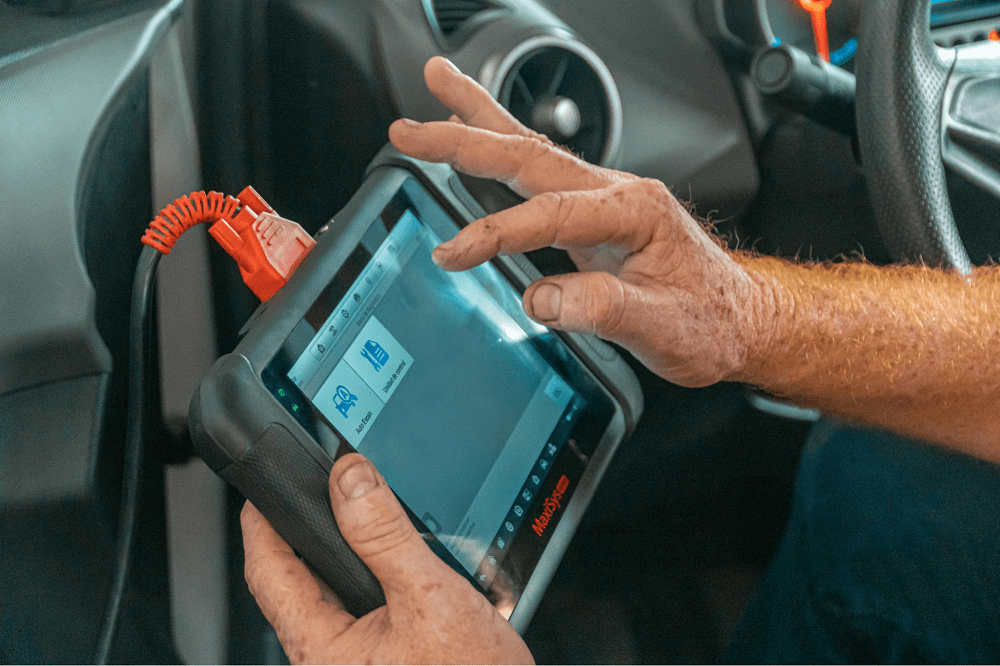
Outsourcing partners often use the latest diagnostic tools and technology. These advanced systems can detect potential issues before they become significant problems, ensuring that your fleet operates smoothly and efficiently. By leveraging these technologies, you can avoid costly breakdowns and extend the life of your vehicles. The initial investment in the latest technology might seem steep, but the long-term savings from prevented breakdowns and extended vehicle life often outweigh these costs.


Cost Savings in Fleet Management


Reduced Overhead Costs


Maintaining an in-house fleet service department can be expensive. Outsourcing eliminates the need for a dedicated team, reducing labor costs and overhead expenses. Instead, you pay for the services you need, when you need them, which can significantly lower your fleet maintenance budget. 


Predictable Expenses


Outsourcing typically involves entering into a service agreement, which helps to stabilize your fleet maintenance expenses. With set costs, you can budget more effectively and avoid unexpected spikes in spending. This predictability is crucial for maintaining financial stability and planning future investments. Consider the peace of mind that comes with knowing exactly what your maintenance costs will be every month, allowing for better financial forecasting.


Improved Vehicle Uptime


Proactive Maintenance


Fleet maintenance providers offer scheduled maintenance plans to keep your vehicles in prime condition. Regular inspections and tune-ups prevent breakdowns and ensure your fleet is always ready to hit the road. This proactive approach minimizes downtime and maximizes productivity. Routine checks might seem tedious, but they are essential. For instance, a company that overlooked regular oil changes faced engine failures, resulting in repair costs exceeding $5,000, which could have been avoided.


Faster Repairs


When repairs are necessary, outsourced fleet services can often complete them more quickly than an in-house team. With access to a broader network of parts suppliers and skilled technicians, they can reduce repair times and get your vehicles back in service faster. A delivery company noticed their downtime was reduced by 40% when they outsourced their repairs, leading to quicker turnaround times and happier customers.


Compliance with Regulations


Keeping Up with Standards


Fleet maintenance providers ensure that your vehicles comply with all relevant regulations and standards. This includes emissions standards, safety inspections, and licensing requirements. By staying compliant, you avoid fines and potential legal issues that could arise from non-compliance. For example, failing to meet emissions standards can result in significant fines, which a local business avoided by outsourcing their compliance checks.


Documentation and Reporting


Outsourced services typically offer comprehensive documentation and reporting. This ensures that you have a detailed record of all maintenance activities, which is essential for audits and regulatory compliance. It also provides valuable insights into your fleet’s performance and maintenance needs. Having detailed records can be particularly beneficial if you face any legal scrutiny or need to provide evidence of compliance.


Environmental Benefits


Efficient Fleet Management


By ensuring your vehicles are maintained to the highest standards, you can reduce their environmental impact. Well-maintained vehicles run more efficiently and produce fewer emissions, contributing to a cleaner environment in Richmond, VA. An environmentally conscious delivery service noted a 20% reduction in fuel usage after implementing a stringent maintenance schedule.


Sustainable Practices


Many fleet maintenance providers prioritize sustainability. They may offer eco-friendly maintenance options, such as recycling used parts and utilizing environmentally safe materials and fluids. By partnering with such providers, you support sustainability efforts that benefit your community and the planet. A business that switched to a green maintenance provider found that their carbon footprint decreased significantly, enhancing their brand image as a sustainable company.


Enhanced Safety and Reliability


Regular Safety Checks


Outsourced fleet maintenance services include regular safety checks to ensure your vehicles are safe to operate. This reduces the risk of accidents and improves the reliability of your fleet, enhancing your company’s reputation and customer trust. A company that neglected regular safety checks faced increased accident rates, costing them not only in repairs but also in lost business from dissatisfied clients.


Reliable Fleet Performance


With a professional maintenance schedule, your fleet becomes more reliable. Fewer breakdowns and accidents mean your deliveries and services are more consistent, leading to higher customer satisfaction and loyalty. A logistics firm experienced a notable increase in customer retention rates by ensuring timely and reliable deliveries through consistent fleet maintenance.


In conclusion, outsourcing your fleet maintenance offers numerous benefits that can transform your business. By enhancing efficiency, reducing costs, and improving compliance and safety, you position your company for success. Ready to simplify your fleet management? Contact Betta Boi Automotive in Richmond, VA, today to learn how we can help you achieve these benefits and more.


Why Choose Betta Boi Automotive for Car Diagnostic Services?

At Betta Boi Automotive, we understand that your time and your car are both valuable. That’s why we offer mobile car diagnostic services right here in Richmond, VA. No more waiting around at the shop, arranging rides, or wasting your lunch break in a greasy waiting room.

Here’s what makes our diagnostics different:

  • We Come to You – Home, office, or roadside.
  • ASE-Certified Technicians – Over 20 years of real-world experience.
  • Clear Explanations – We tell you what’s wrong, why it matters, and how to fix it.
  • No Pressure – We’ll never upsell unnecessary repairs.
  • Fast, Friendly, Reliable – We treat your car like it’s our own.

When your car’s trying to tell you something, we help you listen—and act on it fast.

When your check engine light comes on or your vehicle just doesn’t feel quite right, don’t wait for a small issue to become a costly repair. Betta Boi Automotive is here to make diagnostics quick, convenient, and crystal clear. We bring expert care to your doorstep—saving you time, stress, and money.

Call us today to schedule your mobile diagnostic service in Richmond.

mechanic-with-clipboard-asking-thoughtful-customer

Cracked Windshield? Know When to Repair vs Replace for Optimal Safety and Cost-Efficiency

A cracked or chipped windshield is more than just an eyesore—it can directly affect your safety on the road. Whether it’s a small stone that strikes while driving or a sudden temperature change that causes a crack to expand, windshield damage can escalate quickly if left unaddressed. At Betta Boi Automotive, Richmond’s trusted mobile auto repair service, we help drivers assess the severity of windshield damage and provide professional advice on whether a repair or full replacement is the safest, most cost-effective choice.

Understanding your options early can save money, reduce stress, and ensure your vehicle remains structurally sound. Here’s everything you need to know about evaluating, repairing, or replacing a damaged windshield.

Assessing the Damage: Size, Location, and Spread Matter

The first step in deciding between repair and replacement is a thorough assessment of the damage. Not every crack or chip is the same, and the following factors help determine the best course of action:

  1. Size and Depth:
    Small chips, typically smaller than a quarter, and cracks under three inches are often repairable. However, if the damage penetrates deep into multiple layers of glass, a replacement is usually necessary to maintain structural integrity.
  2. Location:
    Damage in the driver’s line of sight can severely impair visibility. Even minor imperfections in this area may cause glare or distortion, making replacement the safer choice. Chips along the edges of the windshield are also more prone to spreading because these areas experience more stress during driving.
  3. Spread of Damage:
    If cracks are branching, spiderwebbing, or if multiple chips exist, repairing them may not stop further deterioration. In such cases, replacement ensures safety and prevents ongoing maintenance costs.

At Betta Boi Automotive, our ASE-certified technicians can inspect your windshield on-site and provide a professional assessment, saving you the hassle of taking your car to a shop.

The Benefits of Repairing Your Windshield

For minor chips and cracks, repair is often the fastest, most cost-effective solution. Modern repair techniques can restore the glass’s strength and clarity, often in under an hour.

Advantages of Repair:

  • Cost-Effective: Repairs generally cost a fraction of a full replacement.

  • Time-Efficient: Many repairs are completed on the spot, with no need to leave your vehicle at a shop.

  • Environmentally Friendly: Repairing avoids waste by preserving the existing windshield.

When to Consider Repair:

  • Damage is small and not directly in the driver’s line of sight.

  • Chips or cracks are away from the windshield edges.

  • Damage has not penetrated deeply into the glass layers.

At Betta Boi Automotive, we bring this service directly to your home, office, or roadside location, providing professional repairs with convenience and minimal disruption to your day.

When Replacement Is the Safer Choice

Some situations call for a full windshield replacement rather than repair. The windshield plays a crucial role in vehicle safety, contributing to the structural integrity of the cabin and supporting airbag deployment. Compromised glass can put you at risk in a collision.

Advantages of Replacement:

  • Enhanced Safety: A new windshield ensures maximum visibility and restores structural strength.

  • Long-Term Durability: Properly installed replacement glass is less prone to cracking or chipping.

  • Clear Aesthetics: Replacement eliminates distortions or imperfections that can remain after repairs.

When to Replace Your Windshield:

  • Cracks exceed the length of a dollar bill or chips are larger than a quarter.

  • Damage is directly in the driver’s line of sight or along the edges.

  • The windshield is older, or multiple areas show wear or damage.

With mobile replacement services from Betta Boi Automotive, our ASE-certified technicians can handle full windshield replacements wherever you are, ensuring safety and convenience without sacrificing quality.

Considering Long-Term Costs and Safety

While a quick repair might seem like the cheapest option, it’s essential to think ahead. A poorly executed repair or ignoring damage altogether can lead to:

  • Compromised Vehicle Safety: Windshields support your car’s roof in rollovers and contribute to airbag effectiveness. Weak glass increases injury risk.

  • Increased Repair Costs: Chips left untreated can spread into larger cracks, requiring full replacement later.

  • Insurance Implications: Many insurance policies fully cover windshield repairs, but replacement may involve deductibles. Always verify your coverage to make an informed choice.

Prioritizing safety over cost is always the wiser decision, particularly when it comes to windshield damage.

Why Professional Assessment Matters

Deciding between repair and replacement is not always straightforward. At Betta Boi Automotive, we provide expert evaluations based on decades of combined automotive experience. Our ASE-certified technicians ensure that the chosen solution restores your windshield’s integrity, whether it’s a quick repair or a full replacement.

By leveraging our mobile service, you avoid the inconvenience of visiting a traditional auto shop. Our professionals come to your location, bring all necessary tools, and perform the repair or replacement safely and efficiently. You get peace of mind knowing the job is done correctly, without interrupting your daily routine.

Betta Boi Automotive: Mobile Auto Repair You Can Trust

As Richmond’s trusted mobile auto repair provider, Betta Boi Automotive offers unmatched convenience and expertise. We specialize in:

  • Brake Repairs and Inspections

  • Oil Changes and Fluid Maintenance

  • Tune-Ups and General Maintenance

  • Windshield Repair and Replacement

Every service is performed by ASE-certified technicians who prioritize transparency, reliability, and customer satisfaction. We understand that your time is valuable, which is why our mobile team delivers high-quality auto care directly to your home, workplace, or roadside location.

Whether you’re dealing with a minor chip or extensive windshield damage, Betta Boi Automotive ensures your vehicle is safe, functional, and ready for the road.

Taking care of your windshield promptly not only protects you and your passengers but also prevents costly repairs down the road. Don’t wait for a small crack to become a major safety hazard. Contact Betta Boi Automotive today to schedule a mobile inspection or repair service. Our skilled technicians bring expert care to your location, providing convenience, quality, and peace of mind with every visit.

Why Choose Betta Boi Automotive for Car Diagnostic Services?

At Betta Boi Automotive, we understand that your time and your car are both valuable. That’s why we offer mobile car diagnostic services right here in Richmond, VA. No more waiting around at the shop, arranging rides, or wasting your lunch break in a greasy waiting room.

Here’s what makes our diagnostics different:

  • We Come to You – Home, office, or roadside.
  • ASE-Certified Technicians – Over 20 years of real-world experience.
  • Clear Explanations – We tell you what’s wrong, why it matters, and how to fix it.
  • No Pressure – We’ll never upsell unnecessary repairs.
  • Fast, Friendly, Reliable – We treat your car like it’s our own.

When your car’s trying to tell you something, we help you listen—and act on it fast.

When your check engine light comes on or your vehicle just doesn’t feel quite right, don’t wait for a small issue to become a costly repair. Betta Boi Automotive is here to make diagnostics quick, convenient, and crystal clear. We bring expert care to your doorstep—saving you time, stress, and money.

Call us today to schedule your mobile diagnostic service in Richmond.
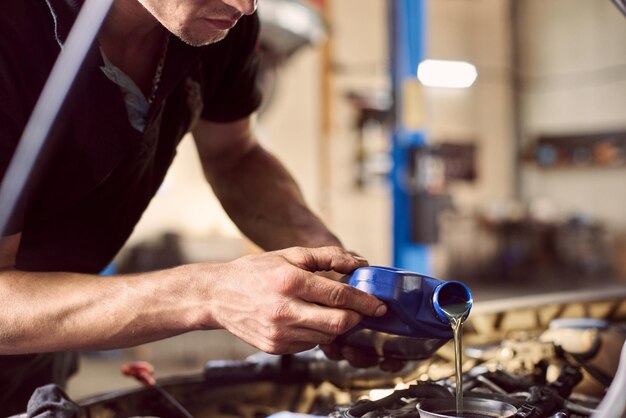
"Engine oil change interval,How to check engine oil,Signs you need an oil change,Synthetic vs conventional oil

What Is an Engine Diagnostic? Why It Matters for Your Car’s Health

Imagine you’re driving home after a long day, and suddenly the check engine light flicks on. Your stomach drops. Is it a loose gas cap or something serious? The truth is that the little dashboard light is just the beginning of a bigger story. To uncover what your car is trying to tell you, an engine diagnostic test is the key.

But what exactly is an engine diagnostic, and why does it matter so much for your vehicle’s health? Let’s break it down in simple terms so you know exactly what’s happening under the hood—and what to do next.

"Engine oil change interval,How to check engine oil,Signs you need an oil change,Synthetic vs conventional oil

What Is an Engine Diagnostic?

An engine diagnostic is a comprehensive scan of your vehicle’s internal systems. Modern vehicles are equipped with an onboard computer system called the OBD, or On-Board Diagnostics, which constantly monitors how your engine and other systems are performing.

When something’s not right—like a misfiring cylinder, faulty oxygen sensor, or even an issue with the emissions system—the OBD stores a trouble code. These codes can only be read with a special tool called an OBD scanner.

A professional engine diagnostic test uses this scanner to read those codes and identify the root of the issue. It’s like running a health checkup on your car’s vital systems. And just like a checkup for your body, catching problems early can save you from major repairs (and bills) down the line.

What Triggers the Check Engine Light?

The check engine light is your car’s universal distress signal. It can come on for dozens of reasons, ranging from minor to urgent. Here are just a few examples:

  • Loose gas cap – Yes, really. A loose or cracked cap can disrupt fuel system pressure.
  • Worn spark plugs – These are critical to your engine firing correctly.
  • A failing oxygen sensor impacts fuel efficiency and emissions.
  • Catalytic converter problems are a big-ticket item you don’t want to ignore.
  • Vacuum leaks or faulty ignition coils can cause poor performance and reduced fuel economy.

While some issues may not feel urgent, driving for long time with the light on can lead to further damage. That’s why car diagnostic services are so important—they eliminate the guesswork.

How Does an Engine Diagnostic Work?

When a trained technician—like the ASE-certified pros at Betta Boi Automotive—performs a diagnostic test, here’s what typically happens:

  1. Connect the OBD Scanner: This device plugs into your car’s diagnostic port, usually under the dashboard.
  2. Scan for Codes: The scanner reads error codes stored in your vehicle’s computer. These are known as DTCs—Diagnostic Trouble Codes.
  3. Interpret the Data: A skilled technician uses their experience and knowledge to interpret what those codes mean in real-world terms.
  4. Inspect the System: Depending on the code, the technician may physically inspect components such as sensors, wiring, or engine parts.
  5. Recommend a Fix: Finally, the tech provides you with an explanation of the issue and suggests next steps to resolve it.

At Betta Boi Automotive, we don’t just hand you a list of confusing codes—we break down what’s going on in plain language and help you make smart decisions for your car’s care.

Why Engine Diagnostics Matter for Your Car’s Health

Skipping diagnostics or ignoring the check engine light can lead to long-term damage. Here’s why regular diagnostics are essential:

1. Early Detection Saves Money

Most engine problems don’t appear overnight. They start small and get worse over time. Diagnostics help identify these issues early, when repairs are often quicker and cheaper.

For example, a failing spark plug might cost a few bucks to replace, but if ignored, it can lead to damage to the ignition coil or catalytic converter, which can cost hundreds or even thousands.

2. Improved Fuel Efficiency

Many issues that trigger the check engine light—like oxygen sensors or airflow problems—cause your car to burn more fuel than it should. Fixing them can instantly improve your gas mileage and save you money at the pump.

3. Reduced Emissions

Your car’s onboard diagnostics are closely tied to the emissions system. Catching and fixing issues helps your vehicle run cleaner and reduces your environmental impact.

4. Safer Driving

Some engine issues affect performance and safety. A misfiring engine, for example, can lead to stalling or poor acceleration. That’s not just frustrating—it’s potentially dangerous in traffic or on the highway.

Can You Do Engine Diagnostics Yourself?

There are inexpensive OBD scanners on the market that let car owners check basic trouble codes at home. But here’s the catch: most consumer-grade scanners only provide the code, not the context. You might get a code that says “P0420 – Catalyst System Efficiency Below Threshold,” but what does that really mean?

That’s where trained, ASE-certified technicians like those at Betta Boi Automotive come in. With over 20 years of experience and deep system knowledge, we go beyond just reading the code—we pinpoint the exact cause and offer real solutions.

Plus, we bring that expert-level service directly to you. Whether you’re at home, at work, or even stuck in a parking lot, our mobile auto repair service in Richmond makes getting diagnostics easier than ever.

Signs You Need a Diagnostic Test—Even If the Light’s Not On

Not every car problem lights up the dashboard. Here are some signs that your vehicle may need a diagnostic check, even if the check engine light isn’t glowing:

  • Decreased fuel efficiency
  • Rough idling or inconsistent acceleration
  • Strange noises from the engine
  • Unusual smells from the exhaust
  • Trouble starting your vehicle
  • Poor performance when climbing hills or towing

Even without a warning light, these symptoms can point to deeper issues hiding beneath the surface. And the sooner you get them checked, the better.

Why Choose Betta Boi Automotive for Car Diagnostic Services?

At Betta Boi Automotive, we understand that your time and your car are both valuable. That’s why we offer mobile car diagnostic services right here in Richmond, VA. No more waiting around at the shop, arranging rides, or wasting your lunch break in a greasy waiting room.

Here’s what makes our diagnostics different:

  • We Come to You – Home, office, or roadside.
  • ASE-Certified Technicians – Over 20 years of real-world experience.
  • Clear Explanations – We tell you what’s wrong, why it matters, and how to fix it.
  • No Pressure – We’ll never upsell unnecessary repairs.
  • Fast, Friendly, Reliable – We treat your car like it’s our own.

When your car’s trying to tell you something, we help you listen—and act on it fast.

When your check engine light comes on or your vehicle just doesn’t feel quite right, don’t wait for a small issue to become a costly repair. Betta Boi Automotive is here to make diagnostics quick, convenient, and crystal clear. We bring expert care to your doorstep—saving you time, stress, and money.

Call us today to schedule your mobile diagnostic service in Richmond.
"Engine oil change interval,How to check engine oil,Signs you need an oil change,Synthetic vs conventional oil

How Often Should You Change Engine Oil? Key Guidelines for Every Driver

When was the last time you changed your car’s oil? If you have to think about it for more than a second, you might be overdue. Oil changes are one of those simple, routine tasks that make a massive difference to the health of your engine—and your wallet. But when it comes to oil change frequency, plenty of drivers are still unsure about how often they really need to schedule one.

Let’s clear things up with some practical, easy-to-follow engine maintenance tips, so you can keep your car running strong and avoid headaches down the road.

"Engine oil change interval,How to check engine oil,Signs you need an oil change,Synthetic vs conventional oil

Why Oil Changes Matter More Than You Think

Your car’s engine is a complex piece of machinery with hundreds of moving parts. Inside that engine, oil plays the critical role of lubrication—reducing friction, absorbing heat, and helping flush out dirt and debris. Over time, oil breaks down and loses its effectiveness. Old, dirty oil can’t protect your engine the way fresh oil can.

If you neglect this basic part of engine maintenance, you run the risk of increased wear and tear, overheating, sludge buildup, and even complete engine failure. Compared to the cost of replacing or repairing an engine, an oil change is one of the cheapest ways to extend your vehicle’s life.

So, When Should You Change Engine Oil?

Years ago, the standard advice was simple: change your oil every 3,000 miles or every 3 months—whichever came first. But cars, engines, and motor oils have evolved. Today, the right oil change frequency depends on several factors, including the type of oil you use, the age of your vehicle, your driving habits, and your car manufacturer’s guidelines.

Many modern vehicles can go 5,000 to 7,500 miles between oil changes—some even longer if they run on full synthetic oil. But that doesn’t mean you should push it to the limit every time. Here’s what to consider:

  1. Check Your Owner’s Manual:
    No one knows your car better than the people who built it. Look up your manufacturer’s recommended oil change interval and stick to it as closely as possible.

  2. Know Your Oil Type:
    Conventional oil typically needs changing more often than synthetic or synthetic-blend oils. Full synthetic oils offer better performance and longer life, making them a smart choice if you want longer intervals between oil changes.

  3. Consider How You Drive:
    Do you mostly drive short distances or spend a lot of time in stop-and-go traffic? Frequent short trips and city driving put more stress on your oil than steady highway cruising. Towing heavy loads or driving in extreme temperatures can also shorten your oil’s lifespan.

  4. Keep an Eye on Your Oil Life Monitor:
    Many newer vehicles come with an oil life monitoring system. This handy feature tracks your driving habits and engine conditions to estimate when your next oil change is due. Pay attention when that light comes on—it’s there for a reason.

Signs Your Car Might Need an Oil Change Sooner

Even if you’re tracking mileage or using an oil life monitor, it’s smart to stay alert for signs your oil might be overdue. Here are a few red flags:

  • The oil looks dark and gritty instead of clear and amber.
  • Your engine sounds louder than usual or makes knocking noises.
  • The oil change light or check engine light comes on.
  • You notice exhaust smoke instead of clear vapor.
  • There’s a burning oil smell inside the car.

If you spot any of these, don’t wait—schedule an oil change as soon as you can.

What’s the Best Oil for Your Car?

Choosing the best oil for your car is just as important as changing it on time. The right oil depends on your vehicle’s engine design, age, and the climate you drive in.

  • Conventional Oil: Budget-friendly and effective for older engines with simple designs, but needs more frequent changes.
  • Synthetic Blend Oil: A mix of conventional and synthetic, giving you better performance and protection at a mid-range price.
  • Full Synthetic Oil: Offers the highest level of protection, better performance in extreme temperatures, and longer intervals between changes. It’s great for modern engines, turbocharged engines, and high-mileage vehicles.

Again, your owner’s manual will tell you what type of oil your engine needs. If you’re unsure, ask an experienced technician to recommend the best match.

DIY vs. Professional Oil Changes

Some car owners love the satisfaction of doing their own oil changes. If you’re handy and have the right tools, changing your own oil can be a rewarding project. Just make sure you dispose of used oil properly—never pour it down a drain or toss it in the trash.

However, for many drivers, a professional oil change makes more sense. A certified technician will not only change your oil and filter but also check other vital components, such as fluid levels, belts, and filters. It’s a simple way to catch minor issues before they become expensive problems.

The Perks of a Mobile Oil Change

In today’s busy world, carving out time for an oil change can feel like an inconvenience. That’s why more drivers in Richmond are turning to mobile oil change services like Betta Boi Automotive. Instead of rearranging your day or sitting in a waiting room, you can have an ASE-certified technician come to you—whether you’re at home, at work, or stuck on the side of the road.

With over 20 years of experience, Betta Boi Automotive makes engine maintenance simple, convenient, and trustworthy. We only use high-quality oils and filters, so you can feel confident your car is getting the care it deserves—without ever leaving your driveway.

Practical Tips to Make Your Oil Last Longer

While there’s no way around regular oil changes, there are smart habits that can help you get the most out of each one:

  • Stick to recommended oil types and don’t cut corners with bargain filters.
  • Avoid excessive idling—if you’re parked for a while, turn the engine off.
  • Drive gently when your engine is cold, giving the oil time to circulate properly.
  • Keep up with other engine maintenance tips, like replacing air filters and spark plugs.

Little actions like these add up to a healthier engine and fewer surprises down the road.

Don’t Put Off Your Next Oil Change

When it comes to oil change frequency, the best rule is simple: don’t wait too long. Skipping oil changes might save you a few bucks now, but it could cost you thousands in engine repairs later. Think of regular oil changes as cheap insurance for your engine’s long life.

If it’s been a while since your last oil change, now is the perfect time to get back on track. And if you’d rather skip the hassle of the shop altogether, Betta Boi Automotive is ready to come to you. Our experienced, ASE-certified technician will handle everything quickly and professionally, right where you are.

Reach out to us today and find out just how easy taking care of your car can be. Your engine will thank you, and so will your wallet.

How Often Should You Change Your Engine Oil? What You Need to Know

If you’ve ever wondered how often you really need to change your engine oil, you’re not alone. It’s one of the most common questions among car owners—and one of the most important. Your engine oil plays a critical role in keeping your vehicle running smoothly, and neglecting oil changes can lead to major problems down the road. But with so many conflicting opinions out there, how do you know what’s right for your car?

At Betta Boi Automotive, we’ve seen it all—from engines that purr because they’re well-maintained, to ones that grind to a halt due to old, sludgy oil. So let’s break it down clearly and simply: how often should you change your engine oil, why it matters, and what happens if you don’t.

"Engine oil change interval,How to check engine oil,Signs you need an oil change,Synthetic vs conventional oil

What Does Engine Oil Actually Do?

Before we dive into timing, it helps to understand what engine oil does. Think of it as your engine’s lifeblood. Engine oil lubricates the moving parts of your engine, reduces friction, helps cool components, traps contaminants, and prevents the buildup of sludge.

Without clean oil, your engine can overheat, wear out faster, and eventually seize up entirely. It’s not a minor detail—it’s essential maintenance that can make or break your engine’s lifespan.

The Old Rule: Every 3,000 Miles

For decades, drivers were told to change their oil every 3,000 miles or every three months, whichever came first. While this rule of thumb still works for older vehicles and those operating under severe conditions, it’s not a one-size-fits-all recommendation anymore.

Thanks to improvements in oil quality and engine technology, many modern vehicles can safely go much longer between oil changes—sometimes up to 7,500, 10,000, or even 15,000 miles depending on the manufacturer’s guidelines and the type of oil used.

So why the confusion? It’s because the best oil change interval depends on a few key factors.

Factors That Affect Oil Change Frequency

  1. Vehicle Age and Type
    Older engines often require more frequent oil changes because they don’t run as efficiently and are more prone to sludge buildup. On the other hand, many newer engines are built with advanced materials and tolerances that extend oil life. Check your owner’s manual—it’s still the best place to start.
  2. Driving Habits
    Do you take long highway drives, or are most of your trips short jaunts around town? Stop-and-go driving, short commutes (where the engine doesn’t fully warm up), towing, or driving in extreme temperatures all put extra strain on your oil. If that sounds like your routine, you’ll want to change your oil more often—even if your car is new.
  3. Type of Oil Used
    Conventional oil typically needs to be changed more frequently—around every 3,000 to 5,000 miles. Synthetic oil, on the other hand, can last anywhere from 7,500 to 15,000 miles depending on brand and engine compatibility. There are also synthetic blends that fall somewhere in between.

4. Manufacturer Recommendations
This can’t be stressed enough: always consult your vehicle’s owner’s manual. The manufacturer has tested your car under all kinds of conditions and provides tailored maintenance intervals to keep your engine running its best.

"Engine oil change interval,How to check engine oil,Signs you need an oil change,Synthetic vs conventional oil

Signs Your Oil Needs Changing

Even if you haven’t hit the mileage interval yet, your car may be telling you it’s time. Here are some signs to watch for:

  • Dark, dirty oil: Clean oil is amber and slightly translucent. If it’s dark or gritty, it’s overdue for a change.
  • Engine noise or knocking: Oil that’s lost its lubricating ability can cause metal parts to grind together.
  • Oil change light or check engine light: These warnings shouldn’t be ignored.
  • Exhaust smoke: Blue or gray smoke from the tailpipe may indicate oil burning due to old or low oil.
  • Oil smell inside the car: This could mean a leak or that the engine is overheating due to low oil levels.

If you’re seeing any of these symptoms, it’s a good idea to have your vehicle inspected right away—even if you’re not due for a scheduled oil change.

What Happens If You Skip Oil Changes?

It might be tempting to put off an oil change, especially if your car seems to be running fine. But the damage from dirty or insufficient oil happens quietly and gradually—until it suddenly isn’t so quiet.

Skipping oil changes can lead to:

  • Increased engine wear
  • Overheating
  • Poor fuel economy
  • Reduced performance
  • Costly engine damage

In extreme cases, the entire engine can fail, which means a replacement or rebuild—something that costs thousands of dollars and could’ve been avoided with a $60 oil change.

So, How Often Should You Change Your Oil?

Here’s a quick general guide, but keep in mind your vehicle and driving habits may require adjustments:

  • Every 3,000–5,000 miles: Older cars, vehicles using conventional oil, or those driven under severe conditions.
  • Every 5,000–7,500 miles: Most cars using synthetic blends with moderate driving conditions.
  • Every 7,500–10,000+ miles: Newer cars with full synthetic oil and mostly highway driving.

When in doubt, it’s always better to err on the side of caution. Regular oil changes are one of the simplest and most effective ways to protect your vehicle.

The Betta Boi Difference: Oil Changes Brought to You

At Betta Boi Automotive, we make it easier than ever to stay on top of your oil changes. Why take time out of your busy day to wait at a shop when you can have a certified, experienced technician come straight to your driveway, office, or even the roadside?

Our ASE-certified tech brings over 20 years of hands-on experience and uses only high-quality oil and filters tailored to your car’s specific needs. Whether you need conventional or full synthetic oil, we’ll make sure your engine is protected and performing at its best—without the hassle of leaving your location.

Because we’re a mobile service, there’s no waiting room, no traffic, and no uncertainty. Just honest, transparent service delivered wherever you are.

Need an oil change but don’t have the time to make it to a shop? Let us come to you. Schedule your mobile oil change with Betta Boi Automotive today and experience expert care—right at your curb. Give us a call or click below to request your appointment. Your engine (and your schedule) will thank you.

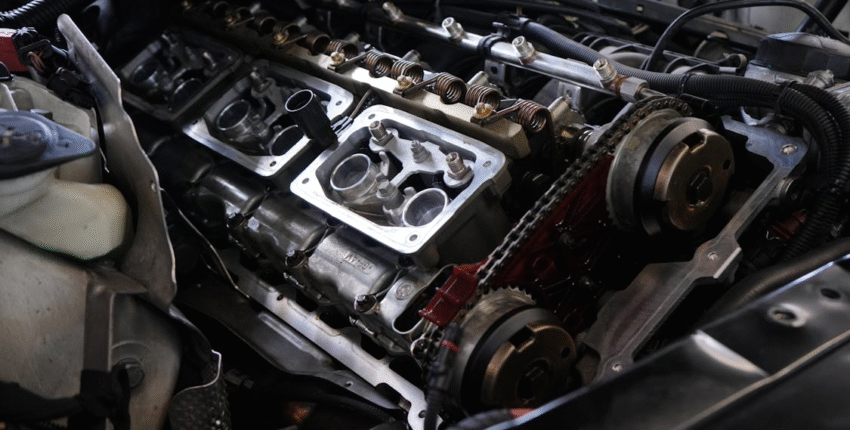
Close-up of a car engine showcasing various intricate parts and components in detail.

How Much Does Brake Pad Replacement Cost? A Complete Guide

Your vehicle’s brakes are one of its most important safety systems—and brake pads are at the heart of it. Every time you press the brake pedal, your pads create the friction needed to stop your car safely. But like any hardworking part, they wear down over time and need replacing.

So, how much does brake pad replacement cost? What are the warning signs you need to look for? And how do you make sure you’re getting fair pricing and reliable service?

Let’s dive into everything you need to know about brake pad replacement, including why thousands of drivers in Richmond and beyond trust Betta Boi Automotive to bring expert brake services right to their driveway.

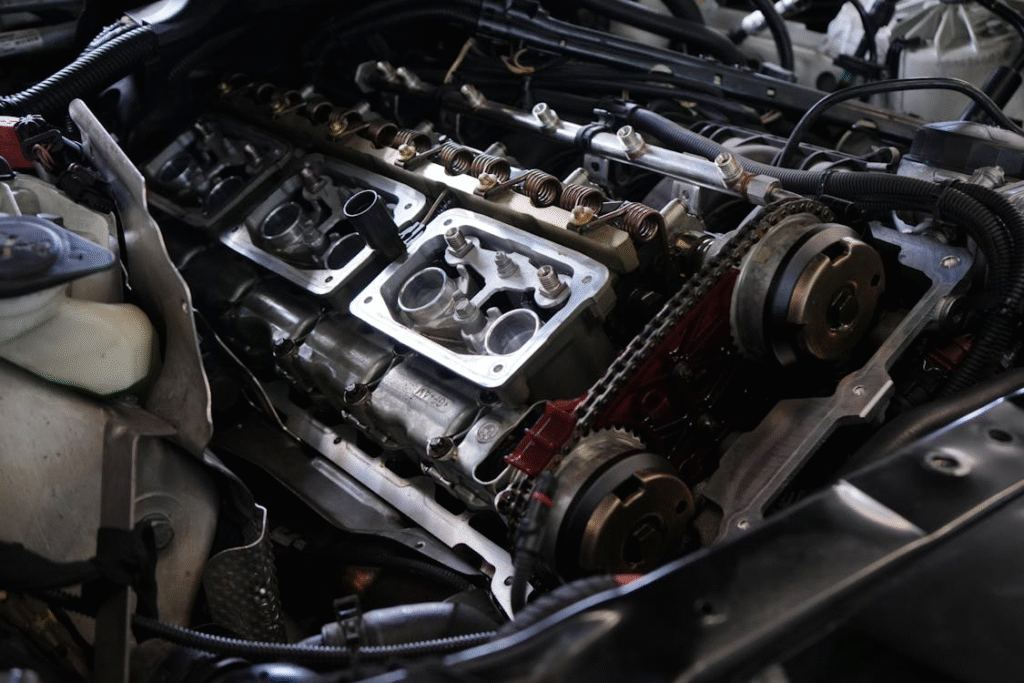
Close-up of a car engine showcasing various intricate parts and components in detail.

What Are Brake Pads and Why Do They Matter?

Brake pads are flat pieces made of friction material that press against your car’s rotors to slow it down or bring it to a stop. Every time you hit the brakes, these pads undergo extreme pressure and heat.

Because they take so much abuse, brake pads are considered wear-and-tear items—meaning you can expect to replace them periodically throughout the life of your car. Ignoring worn pads doesn’t just reduce your stopping power—it can damage other parts of the braking system, like rotors and calipers, and dramatically increase your total brake repair cost.

Signs You Need New Brake Pads

Before your brake pads give out entirely, they’ll usually send you warning signals. Keep an eye (and ear) out for the following signs you need new brake pads:

  • Squealing or screeching sounds: A high-pitched noise when braking is often the built-in wear indicator doing its job—it’s time to change the pads.
  • Grinding noise: This means the pad material is gone, and you’re hearing metal on metal. You’ll likely need new rotors as well.
  • Longer stopping distances: If your car doesn’t respond as quickly when braking, your pads might be too worn to do their job properly.
  • Brake warning light: Some modern vehicles have sensors that alert you when the pads are getting too thin.
  • Vibration when braking: Warped rotors or unevenly worn pads can cause this issue.
  • Visual check: If you can see less than a quarter inch of brake pad material, it’s time to replace them.

Pro tip: At Betta Boi Automotive, our mobile techs perform a detailed digital inspection and let you know exactly what your brake system needs—no guesswork.

How Much Does Brake Pad Replacement Cost?

Let’s get to the big question: How much does brake pad replacement cost?

The short answer: it depends. But to give you a ballpark, here are the typical price ranges in 2025:

  • Per axle (front or rear): $150–$300
  • All four wheels: $300–$600
  • Luxury or performance vehicles: $400–$800+ per axle
A man in a blue jacket stands beside a car engine, examining its components with a focused expression.

A few key factors affect the final cost:

1. Vehicle Make and Model

Brake pad pricing varies depending on what kind of car you drive. A Toyota Corolla is going to cost less than a BMW X5. Luxury vehicles or those with larger brake systems typically use more expensive components.

2. Brake Pad Type

There are a few different kinds of brake pad materials:

  • Organic: Quiet and affordable, but wear out faster.
  • Semi-metallic: Great stopping power and durability; commonly used in most vehicles.
  • Ceramic: Longer life and quieter operation, but more expensive.

Ceramic pads can add $50–$100 to the total brake pad replacement cost.

3. Labor Costs

At a traditional shop, labor typically costs $80–$150 per hour. Replacing pads usually takes 1–2 hours depending on the setup.

But with mobile auto repair like Betta Boi Automotive, you save time and get a fair, up-front price—without sitting in a waiting room.

4. Additional Services

If your rotors are worn, scored, or warped, they may need to be resurfaced ($40–$60 each) or replaced ($100–$300 each). Worn calipers or brake fluid flushes can also increase the brake repair cost.

Front vs. Rear Brake Pad Replacement

Most of the braking force happens up front, so front brake pads usually wear out faster than rear ones. It’s common to replace just the front pads first, then the rear later. However, replacing all four pads at once ensures even braking and can sometimes save on labor costs.

Can I Replace Brake Pads Myself?

If you’re mechanically inclined and have the right tools, yes—you can do it yourself. A DIY brake job might save you $100–$200.

But be careful. Brakes are a critical safety feature. Improper installation can lead to uneven wear, brake failure, or unsafe driving. Always make sure you’re following manufacturer specs, torquing bolts properly, and bleeding the brakes if necessary.

If in doubt, let a professional handle it. Fabian Minnicks Sr. and the team at Betta Boi Automotive bring decades of expertise right to your driveway. No need to risk it when you’ve got trusted mobile service just a call away.

How Often Should Brake Pads Be Replaced?

Most brake pads last between 25,000 and 70,000 miles, depending on your driving habits and the type of pad material used. City drivers and those who brake aggressively will need to replace pads more often than highway commuters.

At Betta Boi Automotive, we track your vehicle’s history and provide reminders when your next brake service is due—just one more way we deliver that spa-like experience to your car.

A man in a blue jacket stands beside a car engine, examining its components with a focused expression.

How to Extend Brake Pad Life

Want to make those pads last longer? Here are a few simple tips:

  • Avoid hard braking: Ease into stops when you can.
  • Don’t ride the brakes: Resting your foot on the pedal adds unnecessary wear.
  • Coast more: Let your car slow naturally before applying the brakes.
  • Keep your car light: Remove unnecessary items from the trunk or cargo area.
  • Use engine braking: In manual cars, downshifting helps reduce brake use.

And of course, regular inspections help catch issues before they become costly repairs.

Why Choose Betta Boi Automotive for Brake Service?

At Betta Boi Automotive, we do things differently. We’re not just replacing brake pads—we’re building trust, one vehicle at a time.

Founded by Richmond native Fabian Minnicks Sr., our mobile service brings professional-grade brake repair to your home, office, or anywhere you are. With roots that go back to wrenching alongside his father at just 10 years old, Fabian knows what it means to care for cars—and the people who drive them.

Here’s what makes our brake services better:

  • Convenient mobile service: We come to you—no waiting rooms, no towing.
  • Upfront pricing: Honest estimates, with no hidden fees.
  • Certified technicians: Real pros, trained and experienced.
  • Digital inspection reports: Full transparency, complete with photos.
  • Local love: Serving Richmond and nearby areas with care and pride.

Whether you’re in Midlothian, Chester, Amelia, or anywhere else in the region, we’ll meet you where you are—and get your brakes back in top shape.

Your brakes keep you safe. Don’t ignore the signs. Whether you hear a squeal, feel a shake, or just know it’s been a while, getting your brake pads checked could save you from a bigger, more expensive problem down the road.

Need new brake pads? Let us come to you.
Call Betta Boi Automotive today and
schedule your mobile brake inspection or replacement with a trusted local expert who puts your safety first. You don’t need to drive around wondering—our team brings clarity, confidence, and quality service right to your doorstep.

The Ultimate Car Maintenance Checklist: Keep Your Vehicle Running Smoothly Year-Round

Keeping your vehicle in great shape doesn’t have to be complicated. Regular car maintenance is key to avoiding costly repairs, ensuring safety, and extending the life of your vehicle. Think of it like visiting the doctor—regular check-ups help catch small issues before they turn into big problems. 

Here’s your ultimate car maintenance checklist to help you keep your ride running smoothly year-round. 

Monthly Checks: The Basics

Oil Levels

Oil is your engine’s lifeline. Low or dirty oil can lead to engine wear or even complete failure. Make it a habit to check your oil level monthly. Simply pull out the dipstick, wipe it clean, dip it back in, and then pull it out again to check the level and color. If it’s low or dark, it’s time for an oil change.

Tire Pressure

Proper tire inflation improves fuel efficiency, ensures better handling, and reduces tire wear. Check your tire pressure monthly using a reliable gauge, and adjust to the recommended PSI listed in your vehicle’s manual or door jamb. 

Lights and Signals

Check all exterior lights, including headlights, brake lights, and turn signals. These lights ensure visibility and safety, especially at night or in poor weather conditions. 

Quarterly Maintenance: A Deeper Look

Oil and Filter Change

Regular oil changes are critical. Typically recommended every 3,000-5,000 miles, fresh oil keeps your engine running smoothly and prevents buildup of damaging deposits. 

Battery Check

Inspect your battery terminals for corrosion or loose connections. A clean, secure battery helps ensure reliable starts. Have your battery tested quarterly to prevent unexpected breakdowns. 

Fluid Inspection

Aside from oil, your vehicle relies on several other fluids including coolant, transmission fluid, brake fluid, and power steering fluid. Check levels and top off as needed to maintain peak performance.  

Bi-Annual Maintenance: Stay Ahead

Brake Inspection

Your brakes are crucial for safety. Every six months, have your brakes inspected for wear and tear. Listen for squeaking, squealing, or grinding noises when braking—these sounds signal that your brake pads or rotors may need attention. 

Tire Rotation and Alignment

Rotating your tires every 6,000-8,000 miles ensures even wear, extends tire life, and improves driving performance. Regular alignment checks prevent uneven tire wear and improve fuel efficiency. 

Windshield Wiper Replacement

Replace your windshield wiper blades every six months or sooner if they become streaky or cracked. Clear visibility is crucial for safe driving, especially in bad weather. 

Annual Maintenance: Thorough Checkups

Air Filter Replacement

A clean air filter helps your engine breathe easier, boosting performance and efficiency. Replace your air filter annually to ensure your engine runs smoothly and efficiently. 

Spark Plugs and Ignition System

Worn spark plugs cause poor engine performance and reduced fuel efficiency. Have them inspected annually and replaced as recommended by your manufacturer. 

Cooling System Flush

Your cooling system protects the engine from overheating. An annual coolant flush helps prevent corrosion and keeps your engine running at the right temperature.

Seasonal Checks: Preparing for the Elements

Summer Checks

High temperatures put extra stress on your cooling system and tires. Before summer hits, ensure your coolant levels are adequate, check your air conditioning system, and inspect tires thoroughly for cracks or wear. 

Winter Checks

Winter weather demands extra caution. Check your battery’s health, ensure your antifreeze mixture is appropriate, and switch to winter tires if necessary. Inspect your heating system to keep you warm and safe. 

Why Regular Maintenance Matters

Proper vehicle care offers more than just peace of mind. Regular checks and timely repairs save you money in the long run by avoiding expensive breakdowns. It also enhances your vehicle’s resale value and ensures safety for you and your passengers.

Meet Your Trusted Auto Expert: Fabian Minnicks Sr.

When it comes to dependable vehicle care, trust an expert who knows the ins and outs of auto maintenance. Fabian Minnicks Sr., founder of Betta Boi Automotive, has been passionate about cars since childhood. From learning the basics of engine mechanics from his father to managing the mechanic department at Pep Boys, Fabian brings years of hands-on experience directly to your doorstep. 

Understanding that many communities lacked accessible and reliable auto repair options, Fabian founded Betta Boi Automotive—a mobile auto repair service dedicated to providing exceptional service, convenience, and integrity directly at clients’ locations.

Betta Boi Automotive proudly serves Richmond, VA, and surrounding areas including Midlothian, Fredericksburg, Petersburg, Williamsburg, and Norfolk. With a personalized approach, Fabian ensures that each customer experiences the “spa of auto repair,” receiving transparent, expert care without the hassle of visiting a traditional repair shop.  

The Betta Boi Automotive Difference

The Betta Boi experience includes:

  • Convenient Scheduling: Personalized quotes and flexible appointment times tailored to your schedule.

  • Detailed Inspections: Thorough vehicle inspections and comprehensive digital reports to ensure complete transparency.

  • Professional Repairs: Certified technicians perform repairs directly at your location.

  • Follow-Up Care: Proactive communication and follow-up visits ensure your vehicle receives continuous, reliable care.

With Betta Boi Automotive, vehicle maintenance becomes convenient and hassle-free, giving you more time to focus on what truly matters.

Ready to experience top-tier automotive care right at your doorstep? Trust Betta Boi Automotive for professional, reliable mobile auto repairs and maintenance services.

Call now and discover why Fabian Minnicks Sr. and the Betta Boi Automotive team are Richmond’s trusted choice for auto care.