
When was the last time you changed your car’s oil? If you have to think about it for more than a second, you might be overdue. Oil changes are one of those simple, routine tasks that make a massive difference to the health of your engine—and your wallet. But when it comes to oil change frequency, plenty of drivers are still unsure about how often they really need to schedule one.
Let’s clear things up with some practical, easy-to-follow engine maintenance tips, so you can keep your car running strong and avoid headaches down the road.
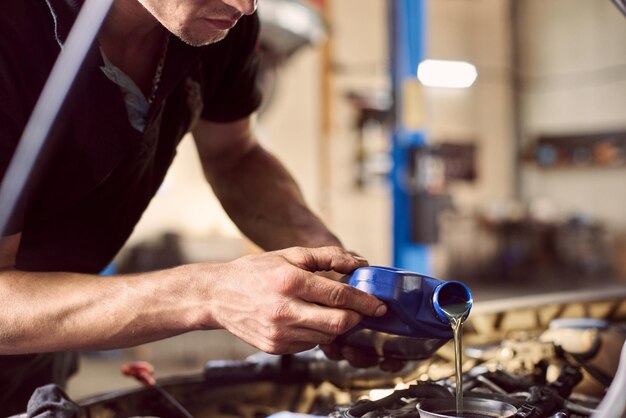
Why Oil Changes Matter More Than You Think
Your car’s engine is a complex piece of machinery with hundreds of moving parts. Inside that engine, oil plays the critical role of lubrication—reducing friction, absorbing heat, and helping flush out dirt and debris. Over time, oil breaks down and loses its effectiveness. Old, dirty oil can’t protect your engine the way fresh oil can.
If you neglect this basic part of engine maintenance, you run the risk of increased wear and tear, overheating, sludge buildup, and even complete engine failure. Compared to the cost of replacing or repairing an engine, an oil change is one of the cheapest ways to extend your vehicle’s life.
So, When Should You Change Engine Oil?
Years ago, the standard advice was simple: change your oil every 3,000 miles or every 3 months—whichever came first. But cars, engines, and motor oils have evolved. Today, the right oil change frequency depends on several factors, including the type of oil you use, the age of your vehicle, your driving habits, and your car manufacturer’s guidelines.
Many modern vehicles can go 5,000 to 7,500 miles between oil changes—some even longer if they run on full synthetic oil. But that doesn’t mean you should push it to the limit every time. Here’s what to consider:
- Check Your Owner’s Manual:
No one knows your car better than the people who built it. Look up your manufacturer’s recommended oil change interval and stick to it as closely as possible. - Know Your Oil Type:
Conventional oil typically needs changing more often than synthetic or synthetic-blend oils. Full synthetic oils offer better performance and longer life, making them a smart choice if you want longer intervals between oil changes. - Consider How You Drive:
Do you mostly drive short distances or spend a lot of time in stop-and-go traffic? Frequent short trips and city driving put more stress on your oil than steady highway cruising. Towing heavy loads or driving in extreme temperatures can also shorten your oil’s lifespan. - Keep an Eye on Your Oil Life Monitor:
Many newer vehicles come with an oil life monitoring system. This handy feature tracks your driving habits and engine conditions to estimate when your next oil change is due. Pay attention when that light comes on—it’s there for a reason.
Signs Your Car Might Need an Oil Change Sooner
Even if you’re tracking mileage or using an oil life monitor, it’s smart to stay alert for signs your oil might be overdue. Here are a few red flags:
- The oil looks dark and gritty instead of clear and amber.
- Your engine sounds louder than usual or makes knocking noises.
- The oil change light or check engine light comes on.
- You notice exhaust smoke instead of clear vapor.
- There’s a burning oil smell inside the car.
If you spot any of these, don’t wait—schedule an oil change as soon as you can.
What’s the Best Oil for Your Car?
Choosing the best oil for your car is just as important as changing it on time. The right oil depends on your vehicle’s engine design, age, and the climate you drive in.
- Conventional Oil: Budget-friendly and effective for older engines with simple designs, but needs more frequent changes.
- Synthetic Blend Oil: A mix of conventional and synthetic, giving you better performance and protection at a mid-range price.
- Full Synthetic Oil: Offers the highest level of protection, better performance in extreme temperatures, and longer intervals between changes. It’s great for modern engines, turbocharged engines, and high-mileage vehicles.
Again, your owner’s manual will tell you what type of oil your engine needs. If you’re unsure, ask an experienced technician to recommend the best match.
DIY vs. Professional Oil Changes
Some car owners love the satisfaction of doing their own oil changes. If you’re handy and have the right tools, changing your own oil can be a rewarding project. Just make sure you dispose of used oil properly—never pour it down a drain or toss it in the trash.
However, for many drivers, a professional oil change makes more sense. A certified technician will not only change your oil and filter but also check other vital components, such as fluid levels, belts, and filters. It’s a simple way to catch minor issues before they become expensive problems.

The Perks of a Mobile Oil Change
In today’s busy world, carving out time for an oil change can feel like an inconvenience. That’s why more drivers in Richmond are turning to mobile oil change services like Betta Boi Automotive. Instead of rearranging your day or sitting in a waiting room, you can have an ASE-certified technician come to you—whether you’re at home, at work, or stuck on the side of the road.
With over 20 years of experience, Betta Boi Automotive makes engine maintenance simple, convenient, and trustworthy. We only use high-quality oils and filters, so you can feel confident your car is getting the care it deserves—without ever leaving your driveway.
Practical Tips to Make Your Oil Last Longer
While there’s no way around regular oil changes, there are smart habits that can help you get the most out of each one:
- Stick to recommended oil types and don’t cut corners with bargain filters.
- Avoid excessive idling—if you’re parked for a while, turn the engine off.
- Drive gently when your engine is cold, giving the oil time to circulate properly.
- Keep up with other engine maintenance tips, like replacing air filters and spark plugs.
Little actions like these add up to a healthier engine and fewer surprises down the road.
Don’t Put Off Your Next Oil Change
When it comes to oil change frequency, the best rule is simple: don’t wait too long. Skipping oil changes might save you a few bucks now, but it could cost you thousands in engine repairs later. Think of regular oil changes as cheap insurance for your engine’s long life.
If it’s been a while since your last oil change, now is the perfect time to get back on track. And if you’d rather skip the hassle of the shop altogether, Betta Boi Automotive is ready to come to you. Our experienced, ASE-certified technician will handle everything quickly and professionally, right where you are.
Reach out to us today and find out just how easy taking care of your car can be. Your engine will thank you, and so will your wallet.